You catch your reflection in a store window and something feels off, but it takes a second to realize what it is. It is not just fine lines or gray hair. Your smile, or the way you have started hiding it, may be quietly adding years to how old you look and feel. The good news is that once you understand the connection between your teeth and your perceived age, you can take real steps to reverse it.
Worn Enamel Shortens Your Teeth and Your Face
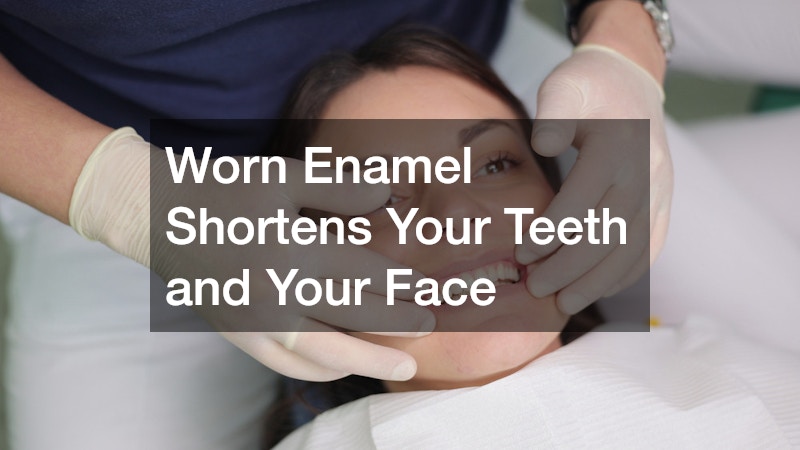
As enamel wears down from years of chewing, grinding, or acidic foods, teeth become visibly shorter and less defined. This might sound like a minor cosmetic detail, but shorter teeth actually change the proportions of your lower face, making it appear more collapsed and compressed. Over time, this loss of tooth structure can make a 40 year old look closer to 55 in photographs and in person. The effect is gradual, which is exactly why so many people do not notice it happening until someone points it out.
Grinding your teeth at night, known as bruxism, is one of the most common and overlooked causes of this wear. Stress, poor sleep, and misaligned bites all contribute to the problem, often without the person realizing they grind at all. A simple nightguard can slow the damage significantly if caught early.
- Shortened teeth reduce lip support, causing the mouth to look sunken
- Flattened biting edges are often a sign of long term grinding
- Enamel does not regenerate, so prevention matters more than cure
- A dentist can spot early wear patterns during a routine checkup
Yellowing and Staining Add Visual Years Instantly
Teeth naturally darken with age as enamel thins and the yellower dentin layer underneath becomes more visible. Combine that with decades of coffee, tea, red wine, and tobacco exposure, and the result is a smile that reads as older than the person behind it. Studies on facial perception have shown that people consistently guess someone is older when their teeth are visibly discolored, regardless of actual skin condition or wrinkles. This makes tooth color one of the fastest visual cues our brains use to estimate age.
Not all discoloration is created equal, and understanding the type matters before choosing a fix. Surface stains from food and drink respond well to whitening treatments, while deeper, internal staining caused by certain medications or past trauma often needs a different approach entirely. This is where professional guidance becomes valuable rather than guessing with store bought kits.
- Coffee, tea, and wine are the most common culprits behind surface staining
- Smoking causes both surface and deeper enamel discoloration
- Certain antibiotics taken in childhood can cause permanent internal staining
- Whitening results vary significantly depending on the cause of the discoloration
Missing Teeth Change the Shape of Your Jaw Over Time
When a tooth is lost and not replaced, the jawbone in that area begins to shrink because it no longer receives the stimulation it needs from chewing. This bone loss can happen surprisingly fast, sometimes noticeable within the first year. As the bone recedes, the surrounding facial structure loses support, which can cause sagging skin, a sunken cheek appearance, and a noticeably older profile.
This is one of the reasons dentists often recommend replacing a missing tooth sooner rather than later, even if it is not causing pain. Waiting allows the bone loss to progress, which can complicate replacement options down the road and make the aging effect more pronounced. Addressing it early is almost always simpler and less invasive than addressing it after years of shifting.
- Bone loss around missing teeth can begin within months of extraction
- Nearby teeth may shift or tilt into the empty space over time
- Facial sagging near the jaw is often linked to untreated tooth loss
- Replacement options include implants, bridges, and partial dentures
Gum Recession Makes Teeth Look Longer and Older
Receding gums expose more of the tooth root, which creates that long, aged appearance often associated with older adults. This recession can be caused by aggressive brushing, gum disease, genetics, or simply the natural thinning of tissue over the years. Unlike enamel, gum tissue can sometimes be treated or grafted, but prevention through gentle brushing and regular cleanings is far easier than correction.
Many people do not notice gum recession happening because it progresses slowly and painlessly in its early stages. By the time sensitivity or visible root exposure appears, some recession has often already occurred. Catching it early gives you far more options for managing it before it becomes a bigger cosmetic and dental concern.
- Brushing too hard with a stiff bristle brush is a leading cause of recession
- Gum disease can accelerate tissue loss significantly if untreated
- Sensitivity to cold or sweet foods can be an early warning sign
- Regular cleanings help catch recession before it becomes severe
Thin, Chipped, or Uneven Teeth Signal Wear Beyond Your Years
Small chips, cracks, and unevenness accumulate over decades of normal use, but they can make a smile look far more worn than the person’s actual age suggests. Thinning of the front teeth in particular is common as enamel erodes, giving them a translucent, slightly grayish edge that reads as aged. These changes often happen so gradually that the person themselves barely notices, even as others perceive it as a sign of getting older.
Cosmetic solutions for this range widely depending on severity, from simple bonding for minor chips to veneers for more extensive wear. When veneers or crowns are needed, the craftsmanship behind them matters enormously, which is why many practices work closely with a specialized dental lab in their region to ensure a natural, age appropriate result rather than an artificial looking one. A well matched restoration should blend seamlessly with the rest of your smile, not stand out as obviously fixed.
- Bonding is a fast, affordable fix for small chips
- Veneers offer a longer lasting solution for more extensive wear
- Translucent front edges are a common sign of enamel thinning
- Custom shade matching helps restorations look natural rather than fake
A Personalized Evaluation Can Identify Your Specific Aging Factors
Every smile ages differently based on genetics, habits, diet, and dental history, which means there is no single fix that works for everyone. A thorough evaluation can pinpoint exactly which factors are contributing most to how old your smile appears, whether that is wear, staining, gum recession, or bone changes. This kind of assessment is far more useful than guessing based on general advice found online.
If you are considering cosmetic improvements, scheduling a consultation with a local cosmetic dentist is often the most efficient way to get a realistic picture of your options and expected results. They can walk you through timelines, costs, and which treatments will make the most visible difference for your specific situation. This personalized approach tends to produce far more satisfying outcomes than piecing together solutions on your own.
- A full evaluation typically includes bite analysis, gum health, and enamel condition
- Photos and digital imaging can show a preview of potential results
- Treatment plans are often phased to spread out cost and recovery time
- Follow up visits help track progress and adjust plans as needed
Your smile tells a story, but it does not have to tell one that is older than the rest of you. Small, consistent habits paired with timely professional care can slow or even reverse many of the changes that make a smile look aged. The best next step is simple: get an honest evaluation of where your smile currently stands before deciding what, if anything, needs attention. Taking that step now can save you years of gradual change you might otherwise not notice until it is well underway.