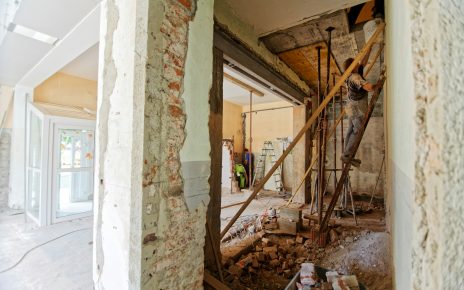

Home remodeling can be an exciting opportunity to transform your living space, enhance comfort, and increase the value of your home. However, without careful planning and thoughtful execution, renovations can quickly become overwhelming, costly, or even unsafe. From coordinating multiple contractors to managing timelines and budgets, a successful remodel requires attention to detail, thorough preparation, and proactive problem-solving.
In this guide, we will provide step-by-step strategies to help homeowners plan a safe and efficient remodeling project. By following these recommendations, you can minimize risks, maintain quality, and ensure that your project stays on schedule and within budget.
1. Assess Your Home and Set Clear Goals

Before any physical work begins, it’s essential to take a thorough, room-by-room inventory of your home to understand the scope of your remodel. This initial assessment lays the foundation for every decision you make, from selecting materials to scheduling contractors, and helps prevent costly mistakes or delays later in the project.
Identify target areas: Begin by walking through your home with a notebook or tablet, documenting areas that require updates, repairs, or full-scale renovations. Pay attention to both visible issues—like worn flooring, cracked walls, or outdated cabinetry—and less obvious problems, such as poor insulation, drafty windows, or outdated wiring. Evaluate each space for its current functionality and aesthetic appeal. Ask yourself whether the space meets your daily needs and lifestyle, and identify opportunities to improve efficiency, flow, or comfort. For instance, a cramped kitchen might benefit from a redesigned layout, while a dated bathroom could be modernized for both functionality and style.
Define your goals: Once you’ve identified the areas that need attention, clarify the objectives of your remodel. Are you focused primarily on energy efficiency, creating additional usable space, enhancing aesthetic appeal, or increasing property value? Your goals will directly influence decisions about layout, materials, and which contractors to hire. For example, if energy efficiency is a priority, you may prioritize updated insulation, windows, and HVAC systems. If increasing property value is your main objective, you may focus on high-impact renovations like kitchen upgrades or bathroom remodels. Clearly defining these goals early helps you make consistent choices throughout the project, ensuring that all updates align with your desired outcomes.
Establish a budget: Developing a detailed budget is a critical step in planning a remodel. Include all projected expenses, such as labor costs, materials, permits, design fees, and inspection fees. Additionally, account for unexpected costs, which are common in remodeling projects due to hidden damage or unforeseen complications. A contingency fund of at least 10-15% of your total budget is recommended to cover these surprises. Itemize your budget by room or project phase to make it easier to track spending and adjust priorities if necessary. This financial planning helps you make informed decisions about where to invest and where you might need to compromise.
Consult a building contractor: Engaging a professional building contractor early in the planning process can save time, money, and stress. A contractor can assess the structural feasibility of your plans, identify potential challenges, and provide realistic timelines. They can also suggest cost-effective alternatives for materials or layouts and coordinate the integration of multiple systems, such as plumbing, electrical, and HVAC, to ensure your remodel is functional, safe, and code-compliant. Additionally, contractors can help identify which aspects of the project require specialized tradespeople and provide recommendations for reliable professionals.
By taking the time to thoroughly assess your home, clearly define your goals, establish a detailed budget, and involve a building contractor, you create a roadmap that keeps your remodeling project focused and organized. This preparation reduces the risk of costly mistakes, ensures that each decision aligns with your overall vision, and sets the stage for a smooth, efficient remodeling process.
2. Conduct a Comprehensive Safety Audit
Safety is one of the most critical considerations in any remodeling project. Older homes in particular may harbor hidden hazards that can compromise the health of occupants and workers alike.
-
Inspect for hazardous materials: Many homes built before the 1980s may contain asbestos, lead paint, or outdated wiring. Planning for asbestos abatement is essential before disturbing walls, ceilings, or insulation.
-
Check structural integrity: Look for signs of foundation settling, water damage, or termite damage. Weak structures can lead to accidents during construction.
-
Address utilities safely: Ensure gas lines, electrical wiring, and plumbing are turned off or isolated when work is being performed nearby.
-
Use protective equipment: Helmets, gloves, safety glasses, and dust masks should be mandatory for anyone performing demolition or construction tasks.
Tips for a thorough safety audit:
-
Hire a professional to identify hidden hazards.
-
Keep a log of issues and scheduled remediation.
-
Communicate safety protocols clearly with all contractors.
A comprehensive safety audit not only protects your family and workers but also ensures compliance with local building codes and regulations.
3. Plan Structural and Roofing Upgrades
Structural and roofing improvements are often among the most expensive and time-consuming aspects of a remodel, yet they are crucial for safety and long-term durability.
-
Roof assessment: Inspect shingles, flashing, gutters, and support structures. Identify leaks, weak spots, or areas prone to water damage.
-
Roof replacement planning: If your roof is beyond repair, plan for a roof replacement to prevent future damage to the interior and structural elements.
-
Hire a local roofing contractor: A local roofing contractor understands regional weather conditions, building codes, and material suppliers. They can provide a more accurate estimate and complete work efficiently.
-
Consider material choices: Factor in durability, insulation, and cost when selecting roofing materials. Options like metal, tile, or asphalt shingles have different lifespans and maintenance requirements.
-
Scheduling tips: Perform roofing work before interior finishes are installed to avoid damage from leaks or construction debris.
Investing time in planning structural and roofing upgrades ensures that your home remains safe, weather-resistant, and energy-efficient for years to come.
4. Coordinate Plumbing and Septic Systems
Properly addressing plumbing and septic needs early in the project prevents costly disruptions and ensures long-term functionality.
-
Plumbing assessment: Identify leaks, corrosion, and outdated fixtures. Plan replacements or upgrades to align with your remodel.
-
Septic tank installation: If your property uses a septic system, plan for septic tank installation or upgrades in coordination with the remodel. This includes soil testing, permit acquisition, and compliance with local regulations.
-
Scheduling: Coordinate plumbing work to occur before drywall, flooring, or cabinetry installation.
-
Hire licensed professionals: Working with certified plumbers ensures adherence to building codes and minimizes the risk of leaks or water damage.
Key tips for plumbing and septic coordination:
-
Create a clear diagram of existing plumbing systems.
-
Integrate fixture placement with kitchen, bathroom, and laundry remodels.
-
Schedule inspections before and after installation to catch any issues early.
Proper planning in this stage saves time, reduces stress, and prevents expensive rework.
5. Manage Excavation and Site Preparation
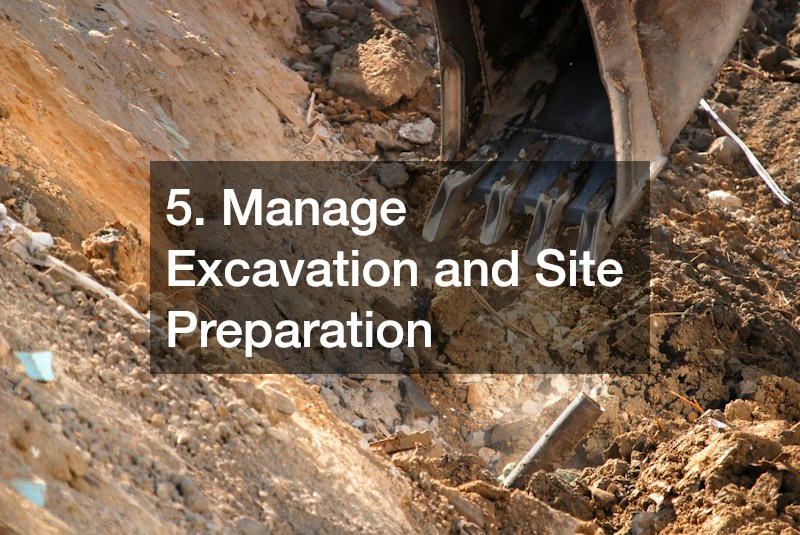
Excavation and outdoor site preparation are critical steps for any home remodel that involves foundations, driveways, or landscaping.
-
Excavation work: Hire experienced excavation contractors for tasks like grading, trenching, or foundation preparation. Improper excavation can lead to unstable foundations and water pooling.
-
Outdoor paving: If your remodel involves new driveways, walkways, or patios, coordinate with a paving contractor to ensure proper surface preparation, drainage, and material selection.
-
Protect existing structures: Use barriers or fencing to prevent damage to your home, landscaping, and utilities during heavy equipment operations.
-
Plan for soil management: Stockpile excavated soil safely and coordinate removal or reuse for landscaping purposes.
Tips for effective site preparation:
-
Schedule excavation work early to avoid delays in foundation or concrete installation.
-
Ensure clear communication between excavation and paving teams to maintain workflow efficiency.
-
Confirm local permitting requirements for grading or major earthwork.
Well-managed site preparation sets the foundation for a smooth remodeling process.
6. Work With Concrete and Foundation Experts

Concrete is the backbone of many remodeling projects, from foundations and patios to sidewalks and flooring. Ensuring proper installation is critical for safety and longevity.
-
Foundation assessment: Inspect current foundation for cracks, settlement, or water damage. Address issues before pouring new concrete.
-
Hire reputable concrete companies: Experienced concrete companies can manage pouring, reinforcement, curing, and finishing, reducing the risk of cracks or uneven surfaces.
-
Material selection: Consider the type of concrete, additives, and reinforcement for durability.
-
Coordination: Align concrete work with other trades to avoid conflicts, such as plumbing lines, electrical conduits, or landscaping elements.
Best practices for concrete work:
-
Schedule work during favorable weather conditions to ensure proper curing.
-
Use proper reinforcement, such as rebar or mesh, for load-bearing surfaces.
-
Conduct regular inspections during and after installation for quality assurance.
Proper concrete and foundation work ensures structural integrity and provides a reliable base for all other remodeling elements.
7. Ensure Efficient Heating and HVAC Integration

Heating and HVAC systems are often overlooked in remodeling plans, but integrating them properly is essential for comfort and efficiency.
-
HVAC inspection: Assess existing systems to determine if upgrades or repairs are needed before remodeling begins.
-
Furnace repairs: Schedule furnace repairs or replacements in coordination with remodeling activities to avoid disruption.
-
Ventilation planning: Ensure ductwork is correctly positioned and sized for optimal airflow.
-
Energy efficiency: Consider installing programmable thermostats, energy-efficient furnaces, and improved insulation during remodeling.
Tips for HVAC integration:
-
Work with certified HVAC technicians to ensure compliance with safety codes.
-
Include ventilation adjustments when adding new rooms or open floor plans.
-
Plan ductwork routing to minimize noise and maintain efficiency.
Integrating heating and HVAC upgrades during a remodel saves time, reduces costs, and enhances indoor comfort.
8. Schedule and Oversee Multiple Contractors
Coordinating multiple contractors can be one of the most challenging aspects of a remodeling project. Effective scheduling and oversight prevent delays, miscommunication, and mistakes.
-
Hire a building contractor: A building contractor can act as the central coordinator, managing schedules, budgets, and quality control.
-
Coordinate roofing contractors: Ensure roofing contractors complete inspections, repairs, or replacement on time to avoid interfering with interior work.
-
Develop a master schedule: Include milestones for demolition, structural work, plumbing, electrical, HVAC, flooring, painting, and finishing.
-
Communication plan: Set up regular meetings, progress reports, and clear lines of communication between all parties.
Tips for effective contractor management:
-
Keep a log of work completed, pending tasks, and upcoming deadlines.
-
Anticipate conflicts between trades and schedule accordingly.
-
Include buffer time for unforeseen delays, especially with specialized contractors.
Proper scheduling and oversight streamline workflow, prevent costly mistakes, and keep the project on track.
9. Inspect Work and Maintain Quality Control
Maintaining quality control throughout the project ensures that work is completed to standard and avoids costly rework.
-
Roof and exterior inspection: Check for proper installation, weatherproofing, and adherence to building codes. Ensure any roof replacement meets warranty requirements.
-
Concrete review: Inspect work from concrete companies for smooth finishes, proper curing, and structural integrity.
-
Interior checks: Verify plumbing, HVAC, electrical, and finishes are installed according to plan.
-
Documentation: Maintain records of inspections, warranties, and payments for future reference.
Quality control tips:
-
Walk the site regularly and note any issues immediately.
-
Schedule final inspections before releasing final payments to contractors.
-
Keep open communication to resolve disputes or corrections promptly.
Regular inspections and attention to detail safeguard your investment and ensure lasting results.
10. Plan for Post-Project Maintenance and Safety
Once the remodel is complete, ongoing maintenance is essential to preserve your investment and ensure continued safety.
-
Paving upkeep: Work with a paving contractor for periodic maintenance to prevent cracks, settling, and drainage problems.
-
Furnace maintenance: Schedule regular furnace repairs and inspections to maintain efficiency and safety.
-
Seasonal inspections: Check roofing, foundations, and exterior surfaces to address weather-related wear and tear.
-
Routine cleaning and monitoring: Keep an eye on ventilation, plumbing, and structural components for early signs of damage.
Post-project maintenance tips:
-
Create a maintenance calendar with seasonal and annual tasks.
-
Keep contractor contact information handy for repairs or emergencies.
-
Document warranties, receipts, and maintenance records for future reference.
Planning for maintenance ensures the long-term success of your remodeling efforts and protects your home and family.
A safe and efficient home remodeling project requires careful planning, clear goals, and proactive coordination with skilled professionals. By assessing your home, conducting safety audits, scheduling structural, plumbing, and HVAC work, and maintaining quality control, you can achieve a transformation that enhances comfort, functionality, and value.
With thoughtful oversight, attention to detail, and a commitment to safety, homeowners can navigate even complex remodeling projects with confidence, ensuring that every improvement lasts for years to come.