Whether you are planning a wedding reception or organizing an office holiday party, feeding a large group well is one of the trickiest parts of the job. Portion sizes, dietary needs, timing, and budget all collide at once, and a single miscalculation can mean hungry guests or mountains of wasted food. The good news is that decades of event planning have produced clear, repeatable lessons that apply no matter the size or formality of your gathering. This article breaks down what weddings and office parties can teach anyone about feeding a crowd without stress or overspending.
Calculate Portions Before You Order Anything
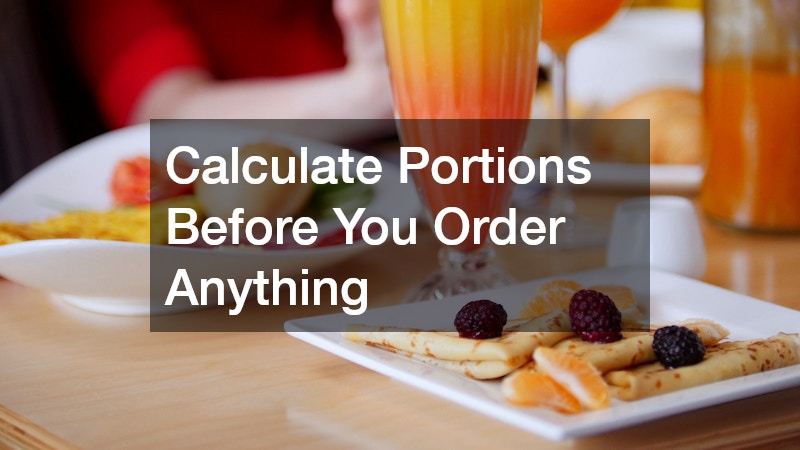
The single biggest mistake first-time hosts make is guessing at quantities instead of calculating them. A general rule for adult guests at a multi-hour event is one and a half pounds of food per person if a full meal is being served, adjusted down slightly for heavy appetizer spreads. Weddings often plan around plated dinners with fixed portions, while office parties tend to favor buffets, which actually require slightly more food per person because guests serve themselves generously early in the line.
It also helps to think about the shape of your guest list before finalizing any numbers. A mixed crowd of adults, teens, and children eats differently than an all-adult office team, so averaging consumption across those groups keeps you from over-ordering. As a rough guide, children under 10 typically eat about half an adult portion, while teenagers often eat as much as or more than adults, especially around appetizers and desserts.
For a wedding with 100 guests split between 70 adults, 15 teens, and 15 young children, you’d plan closer to 85 “full portions” rather than 100 identical servings. That distinction alone can save you from ordering an extra tray of entrees that never gets touched.
Office parties usually skew simpler since the crowd is entirely adults, but don’t forget to factor in who’s actually attending. A team lunch where half the group is skipping to run errands eats very differently than a full-attendance holiday party, so a quick headcount confirmation a day or two before ordering is worth the extra effort.
- Plan for 1 to 1.5 pounds of food per adult for a full meal
- Add 20 percent extra for buffet-style service versus plated meals
- Reduce portions by roughly 25 percent if children make up part of the guest list
- Always overestimate slightly for events longer than three hours
Build a Menu That Works for Every Guest
A crowd-pleasing menu is not about picking your personal favorite dishes, it is about covering the widest range of tastes and dietary needs with the fewest possible dishes. Weddings have popularized the idea of offering a vegetarian option alongside a meat entree, and office parties have followed suit by adding clearly labeled vegan, gluten-free, and nut-free stations.
This labeling matters just as much as the food itself, since guests with allergies or restrictions need to trust the information at a glance rather than ask staff repeatedly.
Simplicity also matters more than variety once you pass a certain guest count. Three well-executed dishes almost always outperform seven mediocre ones, because kitchens under pressure to serve dozens or hundreds of plates lose consistency the more items they juggle.
- Offer at least one vegetarian and one gluten-free option at every event
- Label dishes clearly instead of relying on verbal explanations
- Limit the entree count to three or four strong options rather than a sprawling menu
- Ask for dietary restrictions when guests RSVP, not the day of the event
Decide Between Buffet, Plated, and Station Service
The way food is served affects both the guest experience and the practical logistics of the event. Plated service, common at formal weddings, guarantees portion control and a polished presentation but requires more serving staff and a longer kitchen lead time. Buffet service works well for office parties because it lets people eat at their own pace during a workday, though it demands careful food safety monitoring since dishes sit out longer.
Food stations, such as a taco bar or a carving station, have become popular for both weddings and corporate events because they combine the interactivity of a buffet with a more curated feel. They also naturally break up long lines, since guests spread out across multiple stations instead of forming one long queue.
- Plated service suits formal events with a fixed guest count
- Buffets offer flexibility but need temperature checks every 30 to 60 minutes
- Stations reduce line congestion and add a sense of variety
- Family-style service works well for smaller, more intimate gatherings
Time the Meal Around the Event Schedule
Timing mistakes cause more complaints than almost any other planning error, because hungry guests notice delays immediately. Weddings typically stagger food service around the ceremony, cocktail hour, and reception, giving the kitchen predictable windows to work within.
Office parties, on the other hand, often compress everything into a two or three hour window during a workday, which means food needs to be ready the moment doors open rather than trickling out over time.
A good rule of thumb is to have appetizers or a first course available within fifteen minutes of guests arriving, since that early window sets the tone for how organized the entire event feels.
- Serve something within the first fifteen minutes of guest arrival
- Build in buffer time for late arrivals without holding up the whole group
- Coordinate serving times with any speeches, toasts, or presentations
- Keep dessert or coffee service flexible in case the schedule runs long
Choose the Right Team to Handle the Cooking
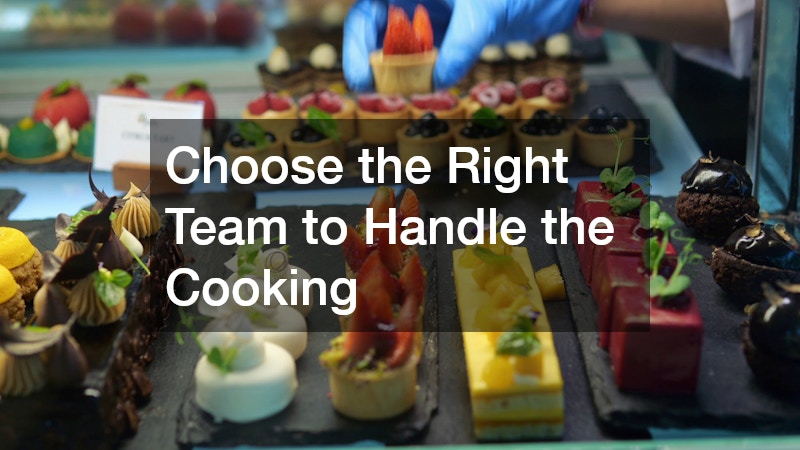
Once the menu and format are set, the question becomes who actually prepares and serves the food. Many hosts start by searching for the best restaurants in their area that offer off-site catering, since a kitchen with a strong reputation for quality often translates well into event food.
Others look specifically for italian restaurants that can deliver crowd favorites like baked pasta, arancini, or a build-your-own antipasto spread, since Italian menus tend to travel and reheat better than more delicate cuisines.
Whichever route you choose, ask to sample the food beforehand if possible, and confirm how the kitchen handles transport and reheating, since a dish that tastes great fresh can lose quality if it is not packaged and held correctly.
- Ask for a tasting before committing to a menu for a large event
- Confirm how food will be transported and kept at safe temperatures
- Check reviews specifically for event or off-site catering, not just dine-in experiences
- Ask about backup plans if a dish runs low or an ingredient becomes unavailable
Budget for Staff, Rentals, and Leftovers
Food cost is only part of the total bill when feeding a crowd, and many first-time planners underestimate the supporting expenses. A full-service catering company typically bundles staff, serving equipment, and cleanup into the quote, which can actually save money compared to piecing together rentals and labor separately. It is worth asking exactly what is included, since some quotes cover only food while others include servers, chafing dishes, linens, and bar staff.
Leftover planning deserves attention too, since both weddings and office parties frequently overestimate consumption slightly on purpose to avoid running short. Deciding in advance whether extra food goes home with guests, gets donated, or is packed up by the venue avoids awkward last-minute decisions.
- Ask what a catering quote includes beyond the food itself
- Budget for rentals like tables, linens, and serving equipment separately if not bundled
- Plan for a small percentage of extra food, typically 5 to 10 percent, to avoid shortages
- Decide ahead of time where leftovers will go after the event ends
Feeding a crowd well comes down to a handful of repeatable decisions: accurate portioning, a thoughtful menu, the right service style, careful timing, a reliable kitchen partner, and a realistic budget. Weddings and office parties may look nothing alike on the surface, but the planning principles behind a smooth, well-fed event are surprisingly similar. Start by mapping out your guest list and format, then use these lessons to guide every conversation with vendors and kitchens from there. With a little preparation, your next event can feel effortless to guests even though real strategy is happening behind the scenes.