
A weekend road trip with your dog or cat can turn stressful fast if a minor scrape, bee sting, or upset stomach turns into a bigger problem miles from home. Most pet emergencies on the road are minor and manageable if you have the right supplies on hand, but panic sets in quickly when you are unprepared. Packing a proper animal first aid kit takes less than twenty minutes and can make the difference between a quick fix and a ruined trip. This guide walks through exactly what to pack, why it matters, and how to use it wisely.
Core Wound Care Supplies to Pack First
Cuts, scrapes, and torn nails are among the most common injuries pets experience during travel, whether from rough terrain, sharp branches, or an unfamiliar hiking trail. Having the right wound care basics on hand lets you clean and stabilize an injury before it worsens or gets infected. These items are lightweight, inexpensive, and take up very little space in a glove compartment or backpack.
- Sterile gauze pads and non-stick bandages for covering wounds
- Adhesive medical tape designed to stick to fur without pulling
- Saline solution or wound wash for flushing dirt and debris
- Antiseptic wipes or spray formulated specifically for animals
- Blunt-tip scissors for trimming fur around an injury
Medications and Basic Health Supplies to Include
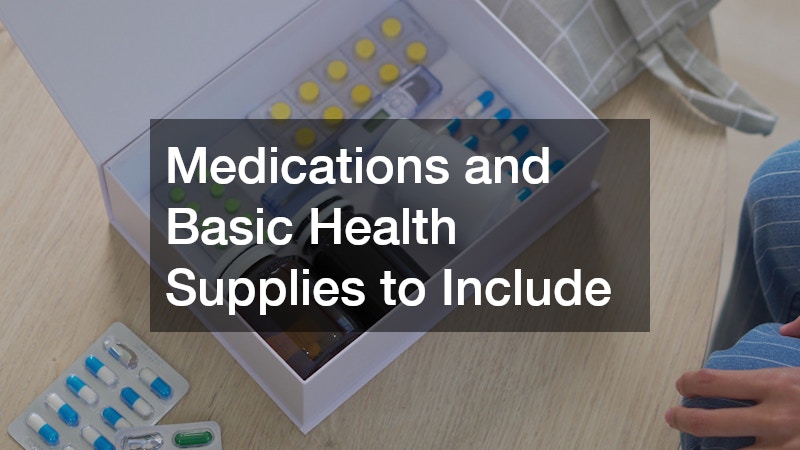
Beyond wound care, your kit should include a small selection of health supplies that address common on-the-road issues like upset stomachs, allergic reactions, or dehydration. Many of these items double as everyday comfort items, so they are worth having even if your pet never gets hurt during the trip. Always check expiration dates before you leave, since expired medications can be ineffective or unsafe.
- Any prescription medications your pet takes regularly, packed with extra doses
- Diphenhydramine (as approved in advance by your vet) for allergic reactions
- Digital thermometer designed for rectal use in pets
- Electrolyte solution or unflavored pedialyte for dehydration
- Tweezers for removing splinters, ticks, or foxtails
It is worth noting that dosing guidelines vary significantly by weight, species, and existing health conditions, so guessing is risky. Before your trip, ask one of the veterinarians at your regular clinic to write down safe dosages for common over-the-counter medications you might need to use in a pinch. Keeping this information taped inside your first aid kit means you will not have to make a stressful judgment call while on the road.
Tools for Restraint and Safe Handling
An injured or frightened animal, even a normally gentle one, may bite or scratch out of pain and fear. Having tools that let you safely restrain and examine your pet protects both of you and makes treatment far more effective. These items are especially important if you are traveling with a pet who has never been injured before, since their reaction can be unpredictable.
- A soft muzzle sized appropriately for your pet
- A lightweight towel or blanket for wrapping and calming small animals
- An extra leash or harness in case the original breaks
- Pet-safe restraint wrap for limiting movement during treatment
Documentation and Emergency Contact Information
Medical records and contact information are just as important as physical supplies, especially if you end up needing care away from home. Print a copy of your pet’s vaccination history, known allergies, and any chronic conditions, and keep it in a waterproof bag inside your kit. This paperwork can save critical time if you need treatment from an unfamiliar clinic that has no history with your animal.
It is also smart to research emergency vet clinics along your driving route before you leave, rather than searching frantically once something goes wrong. A quick map search the night before your trip can reveal which towns have staffed facilities and which are too remote to count on. Save a few names and phone numbers directly in your phone so you are not relying on spotty rural cell service in a crisis.
Recognizing When Professional Help Is Necessary
A first aid kit is meant to stabilize a situation, not replace professional treatment, and knowing the difference is critical. Some symptoms are manageable with basic care, while others signal that your pet needs to see a professional as soon as possible. Trusting your instincts matters here, but so does knowing the specific warning signs that separate a minor issue from a true emergency.
- Difficulty breathing or persistent coughing
- Uncontrolled bleeding or a wound that will not close
- Signs of heatstroke, including excessive panting and collapse
- Repeated vomiting or inability to keep water down
- Sudden lethargy, disorientation, or seizure activity
If you notice any of these symptoms, do not wait to see if things improve on their own. Emergency vet services exist specifically for situations like these, and many operate around the clock in larger towns and cities along common travel routes. Calling ahead, even from the road, allows the staff to prepare for your arrival and can shave precious minutes off your pet’s wait for care.
Organizing and Maintaining Your Kit Over Time
Once you have gathered all the right supplies, how you store and maintain them matters just as much as what is inside. A disorganized kit wastes time in an emergency, while a well-labeled one lets you grab exactly what you need without digging. Make it a habit to check your kit before every trip, not just when you remember.
- Use a clear, labeled container so items are easy to identify quickly
- Store the kit somewhere accessible, not buried under luggage
- Replace used or expired items immediately after each trip
- Keep a printed checklist taped inside the lid for quick reference
Packing an animal first aid kit is a small investment of time that pays off enormously the moment something goes wrong on the road. With the right wound care supplies, medications, restraint tools, and emergency contacts in hand, you will be equipped to handle most minor issues and know exactly when to seek further help. Take an afternoon before your next trip to assemble or refresh your kit, and travel with the confidence that comes from being prepared.