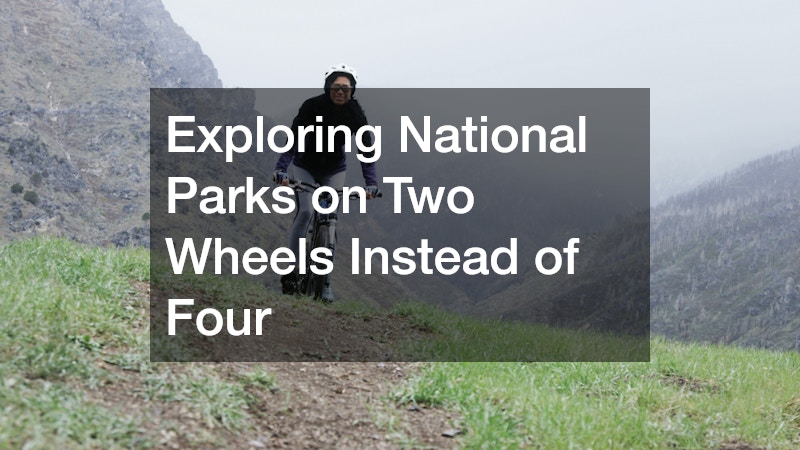

There’s a moment on every national park road trip when the car window starts to feel like a barrier instead of a view. Watching a ridge line or a river canyon slide past at 45 miles an hour just isn’t the same as feeling the grade in your legs and the wind on your face. More and more visitors are trading their vehicles for pedals, discovering that two wheels open up a slower, more immersive way to experience protected landscapes. If you’re weighing whether to plan a cycling-based park visit, this guide breaks down what to expect, what to pack, and how to choose the right approach for your fitness level and goals.
Choosing Parks Built for Cyclists
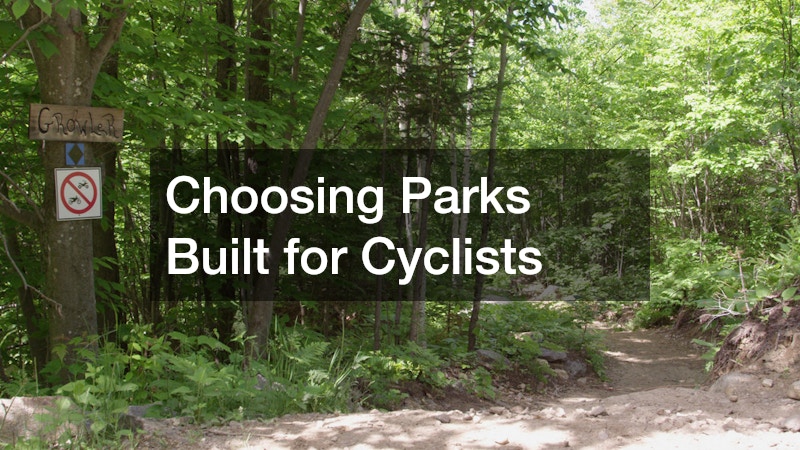
Not every national park is equally welcoming to cyclists, so it pays to research road conditions and elevation profiles before you commit to an itinerary. Parks like Acadia, Zion, and Shenandoah offer dedicated carriage roads, shuttle systems, or scenic drives with generous shoulders that make pedaling far less stressful than fighting for space with RVs. Others, like Yellowstone, have narrow roads and heavy traffic that demand more caution and experience. Matching the park to your comfort level will make the difference between a memorable trip and a white-knuckle one.
- Acadia National Park’s carriage roads are car-free and ideal for beginners and families
- Zion Canyon closes to private vehicles for much of the year, leaving the scenic drive to cyclists and shuttles
- Shenandoah’s Skyline Drive has long, steady climbs but wide views and manageable traffic
- Yellowstone and Grand Teton allow cycling on spring “car-free” dates before roads open to vehicles
- Glacier’s Going-to-the-Sun Road has seasonal cycling windows that avoid vehicle congestion entirely
Matching Your Bike to the Terrain
The right bike depends heavily on the surfaces you’ll actually be riding, and it’s one of the most common planning mistakes first-timers make. Paved park roads and rail-trail conversions are comfortable on a road or hybrid bike, but many of the most scenic backcountry routes are unpaved, rutted, or steep enough to demand something sturdier. This is where mountain bikes earn their reputation, since their wider tires, suspension, and lower gearing handle loose gravel, roots, and washboard surfaces far better than a road bike ever could. Renting locally near the park is often smarter than hauling your own bike across the country, since outfitters usually stock models already suited to that specific terrain.
Before you finalize a rental or pack your own bike, take a close look at trail descriptions and recent trip reports from other cyclists. Conditions change season to season, especially after storms or spring thaw, so what worked for someone last year may not reflect what you’ll find on the ground.
- Paved multi-use paths and scenic drives suit road or hybrid bikes
- Unpaved fire roads and singletrack call for wider, knobbier tires
- Suspension forks absorb impact on rocky or rooted trails
- Lower gear ratios make steep, sustained climbs far less exhausting
- Local bike shops near park entrances often know current trail conditions better than online guides
Getting Up Big Climbs Without Wearing Out
Elevation gain is the single biggest physical challenge cyclists face in national parks, since many scenic routes were originally built for cars, not legs. Long, sustained climbs at altitude can humble even experienced riders, particularly in parks like Rocky Mountain or Grand Canyon where thin air adds to the difficulty. This reality is pushing a growing number of visitors toward ebikes, which provide pedal-assist power that flattens out tough grades without removing the physical activity entirely. Rental shops near many parks now offer them specifically because they let riders of mixed fitness levels tackle the same route together.
It’s worth noting that not every park permits motorized or pedal-assist bicycles on every trail, so checking current regulations before you ride is essential. Some parks restrict electric-assist bikes to roads open to vehicle traffic, while others allow them on designated multi-use paths but not on natural surface trails reserved for foot traffic or traditional cycling.
- Pedal-assist power helps riders of different fitness levels stay together on group rides
- Battery range varies widely, so plan routes with charging or swap stations in mind
- Some parks classify electric bicycles the same as motorized vehicles on certain trails
- Always check the specific park’s current rules, since policies have shifted in recent years
- Renting locally avoids the hassle and cost of shipping heavy equipment
Packing Smart for a Long Day in the Saddle
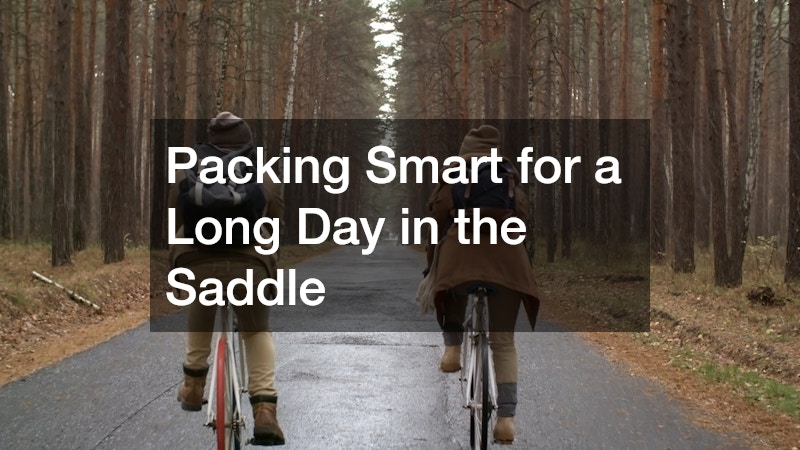
A great ride can turn miserable fast if you’re unprepared for changing weather, sun exposure, or a mechanical issue miles from help. National parks often have limited cell service and infrequent shuttle stops, so self-sufficiency matters more here than on a typical urban bike commute. Layering is especially important in mountain parks, where temperatures can swing 30 degrees between a sunny valley floor and a shaded high pass.
- Bring at least two liters of water per person, more in hot or high-altitude parks
- Pack a basic repair kit with a spare tube, pump, and multitool
- Carry sun protection, since many park roads offer little to no shade
- Layer clothing for temperature swings between elevation zones
- Download offline maps before you go, since cell coverage is unreliable in most parks
Following Trail Etiquette and Safety Guidelines
Sharing narrow roads and paths with hikers, wildlife, and the occasional vehicle requires a bit more awareness than casual neighborhood riding. Most parks ask cyclists to yield to pedestrians and horses, announce themselves when passing, and stay alert for wildlife that may dart onto the trail without warning. Speed limits on shared paths exist for good reason, since sudden encounters with deer, elk, or even bears are more common than most first-time visitors expect.
Respecting these guidelines isn’t just about safety, it also helps preserve the calm, low-impact atmosphere that makes car-free cycling routes so appealing in the first place. A little courtesy goes a long way toward keeping these shared spaces enjoyable for everyone.
- Always yield to hikers and horseback riders on shared trails
- Give wildlife plenty of space and never approach animals for photos
- Use a bell or a clear verbal signal when passing others from behind
- Stick to posted speed limits, especially on descents with blind curves
- Check park websites for seasonal trail closures related to wildlife activity
Exploring a national park by bike trades the isolation of a windshield for a genuine connection to the landscape, one that most visitors say they wish they’d tried sooner. Start by picking a park known for cyclist-friendly infrastructure, matching your equipment to the terrain, and packing for a day with limited services. With a little planning around routes, gear, and park-specific rules, you’ll find that two wheels offer a richer, more memorable way to see the same views everyone else is rushing past in their cars.