Many parents are baffled when their toddler suddenly screams at the sight of a toothbrush or panics before a routine checkup, especially when nothing traumatic ever happened at the dentist. The truth is, kids absorb fear long before they ever sit in a dental chair, often picking it up from the adults and environment around them. Understanding exactly how this fear takes root is the first step toward raising a child who sees dental visits as no big deal.
This article breaks down the sneaky ways dental anxiety gets passed on and what you can do to stop the cycle.
The Words Parents Use Around Dental Visits
Kids are constantly listening, even when adults think they are not paying attention. Phrases like “this won’t hurt much” or “just be brave” actually plant the idea that pain or danger is expected, even if that was never the intention. Language shapes expectation, and expectation shapes emotional response before a child even walks through the door.
Instead of warning language, try neutral or positive framing when talking about appointments. Describing the visit as a chance to get a sparkly smile or count teeth can reframe the entire experience. Small wording shifts made consistently at home can prevent a lot of unnecessary worry.
- Avoid words like hurt, shot, drill, or pain when discussing appointments
- Replace scary vocabulary with playful, curious language
- Practice talking about the visit in a calm, matter-of-fact tone
- Ask open-ended questions like “What do you think the dentist will check today?”
Overheard Adult Conversations About Bad Experiences
Children pick up far more from adult conversations than most people realize, especially stories about painful procedures or dreaded appointments. When a parent complains about their own root canal or mentions dreading their next visit, kids internalize that dental care is something to fear. This is one of the sneakiest pathways to anxiety because the child was never even present for the actual event.
It helps to be mindful of when and where these conversations happen, particularly with young children in earshot. If a parent has genuine anxiety about visiting an orthodontist or undergoing a procedure, it is worth processing those feelings privately rather than in front of impressionable kids. Modeling calm, even if it takes some effort, goes a long way toward shaping a child’s own outlook.
Body Language and Nonverbal Cues Before an Appointment
Fear is not only communicated through words. A tense grip on the steering wheel, a rushed goodbye at the check-in desk, or a nervous laugh can all signal to a child that something is wrong. Kids are remarkably skilled at reading subtle emotional cues, often before they can even articulate what they are sensing.
Staying physically relaxed and keeping a steady, unhurried pace on appointment day can make a noticeable difference. Simple things like arriving early so there is no rush, sitting calmly in the waiting room, and smiling genuinely when the child’s name is called all send a message of safety. These small nonverbal signals often speak louder than any reassuring sentence.
- Keep breathing steady, and shoulders relaxed in the waiting room
- Avoid checking the clock repeatedly or seeming anxious to leave
- Smile and make eye contact when greeting the dental team
- Let the child see you comfortable and at ease, not just told to be
The Impact of a Child’s First Few Dental Visits
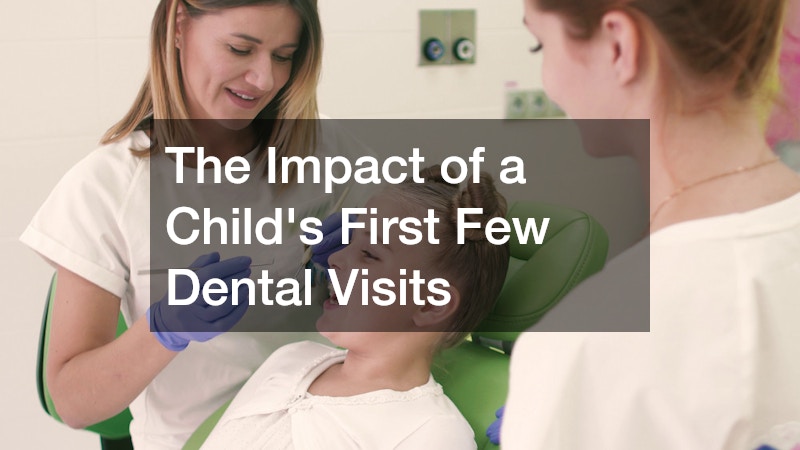
Early experiences leave a lasting imprint, which is why choosing the right setting for those first appointments matters so much. Offices that specialize in treating young patients tend to use smaller tools, gentler explanations, and a slower pace designed specifically for developing minds. Many pediatric dentists build their entire practice around reducing sensory overwhelm, from softer lighting to friendly, low-pressure introductions to equipment.
A rushed or overly clinical first visit can set a negative tone that follows a child for years. Look for a provider who takes time to let kids explore the chair, hold a mirror, or ask questions before any actual exam begins. This kind of patience during the earliest visits often prevents fear from ever taking hold in the first place.
How the Right Environment Reduces Anxiety Long Term
The physical space and overall atmosphere of a dental office can either calm or heighten a child’s nerves. Bright, sterile rooms with loud equipment sounds can feel intimidating, while warmer, more welcoming spaces tend to put young patients at ease. Consistency also matters, since seeing the same friendly faces and familiar surroundings at every visit builds a sense of predictability.
Choosing a local dental office that families can visit repeatedly, rather than switching providers often, helps children build trust over time. Familiarity with the layout, the staff, and even the waiting room toys can turn an intimidating unknown into a comfortable routine. When a child feels like a regular rather than a stranger, much of the anxiety naturally fades.
- Ask if the office offers a tour before the first real appointment
- Look for waiting areas designed with kids in mind, not just adults
- Notice whether staff greet children directly instead of only speaking to parents
- Choose consistency in provider whenever possible to build familiarity
Preparing Kids for Specialized Treatments Down the Road
As children grow, some will eventually need more specialized care, including procedures like fillings, extractions, or other advanced dental work beyond routine cleanings. How this transition is introduced matters just as much as the earlier dental visits. Framing specialized treatment as a normal, expected part of growing up rather than a punishment or a problem prevents new layers of fear from forming.
Talking openly about what to expect, using age-appropriate explanations, and allowing kids to ask questions ahead of time can ease this transition significantly. Many practices offer consultation visits specifically designed to introduce children to new equipment or procedures at a comfortable pace. Preparation, not surprise, is the key to keeping trust intact as dental needs become more complex.
Fear of the dentist is rarely random. It is usually learned, absorbed from words, tone, body language, and early experiences long before a child fully understands what a dental visit even involves. By paying attention to these subtle influences and choosing supportive, child-friendly care along the way, parents can help their kids grow up seeing dental visits as routine rather than terrifying. Start by reflecting on the language and energy you bring to the topic at home, then find a provider whose approach matches that same sense of calm and reassurance.