
That dull ache in your jaw might feel like just another symptom of a stressful week, but persistent jaw pain can signal something more serious than clenched teeth or tension. Ignoring the wrong kind of jaw discomfort can delay treatment for issues ranging from dental damage to joint disorders. This guide walks through the warning signs worth paying attention to, so you can figure out when a hot compress will do and when it is time to see a professional.
Clicking, Popping, or Locking Sensations
A little clicking noise when you open your mouth wide is common and often harmless. But if the clicking is accompanied by pain, or if your jaw ever locks in place so you cannot fully open or close your mouth, that points to a problem with the temporomandibular joint rather than simple muscle tension. This joint connects your jawbone to your skull, and when the disc inside it shifts out of position, you get these mechanical symptoms.
Pay attention to how often this happens and under what circumstances. Occasional clicking while chewing tough food is different from daily locking episodes that interrupt conversations or meals.
- Clicking with no pain, happening rarely: usually not urgent
- Clicking paired with soreness or swelling: worth monitoring closely
- Locking that lasts more than a few seconds: seek evaluation soon
- Locking that requires you to manually reposition your jaw: a clear red flag
Pain That Radiates to Ears, Neck, or Shoulders
Stress-related jaw tension typically stays localized to the jaw muscles and maybe the temples. When pain starts traveling to your ears, down your neck, or into your shoulders, it suggests inflammation or nerve involvement that goes beyond simple clenching. This spreading pattern is a hallmark of temporomandibular joint disorder or, in some cases, referred pain from dental infections.
Ear pain in particular deserves attention because people often mistake it for an ear infection and delay seeing a dentist. If antibiotics or ear drops do nothing to help and the pain seems to worsen with chewing or talking, the jaw joint is a more likely culprit than the ear itself.
Sudden Changes in How Your Teeth Fit Together
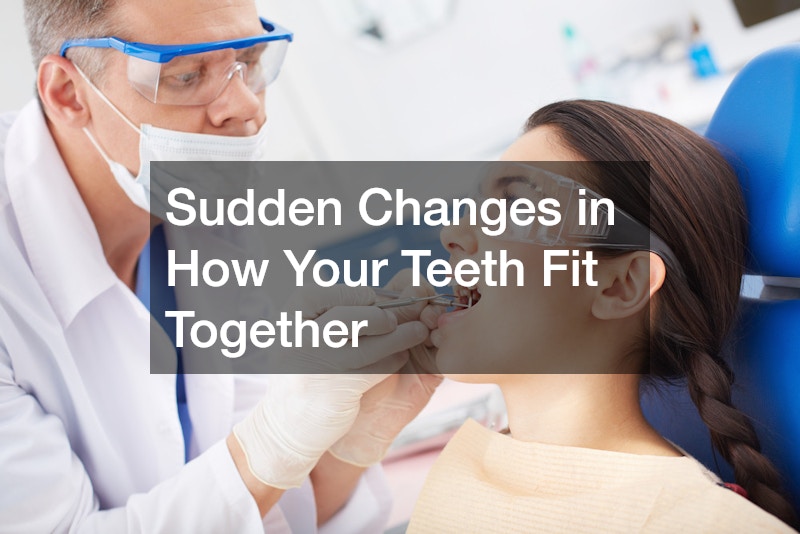
If your bite suddenly feels different, like your teeth no longer meet the way they used to, this is not something stress alone typically causes. A shifting bite can indicate worn enamel, a cracked tooth, bone loss, or joint deterioration on one side of the jaw. Many people first notice this when eating, feeling that their molars touch unevenly or that one side feels higher than the other.
This is also a scenario where cosmetic dentists can be genuinely helpful beyond appearance-focused work, since they often assess bite alignment as part of restorative planning. A change in bite alignment sometimes reveals underlying structural issues that need correction before they worsen, and catching it early can prevent more invasive treatment later.
- Teeth feel loose or shift position
- Noticeable gap or overlap that was not there before
- Difficulty chewing evenly on both sides
- Jaw feels like it is compensating or working harder to close
Jaw Pain That Worsens With Eating or Yawning
Tension headaches and stress-related jaw tightness tend to ease up once you relax or take a break. Pain that consistently spikes specifically when you chew, yawn, or open wide suggests a mechanical or structural cause rather than muscle fatigue. This pattern often points to joint inflammation, an impacted wisdom tooth, or damage to the cartilage disc within the jaw joint.
Keep a simple log of when the pain occurs and what triggers it. This information becomes valuable if you do end up seeing a specialist, since it helps narrow down whether the issue is muscular, dental, or joint-related.
- Pain only during stressful moments: likely muscular
- Pain specifically triggered by chewing hard foods: possibly dental
- Pain that spikes with wide mouth movements: often joint-related
- Pain that is constant regardless of activity: warrants prompt evaluation
When the Cause Traces Back to Dental Work or Missing Teeth
Sometimes jaw pain has nothing to do with stress at all and everything to do with how your teeth fit together after missing teeth, ill-fitting dentures, or old dental work shift the way you bite. When dentures do not sit correctly, people unconsciously overcompensate by chewing differently, which strains the jaw muscles and joint over time. This is one of the more overlooked causes of chronic jaw discomfort in older adults.
If you wear dentures and have noticed new jaw soreness, it may be worth having them checked rather than assuming the pain is unrelated. A denture lab can adjust the fit so your bite is properly balanced again, which often resolves jaw strain that seemed mysterious at first. Getting this addressed early prevents the compensating muscles from developing long-term tension patterns.
Jaw Pain in Pets Deserves the Same Attention
Humans are not the only ones who show signs of jaw discomfort worth investigating. Dogs can develop jaw pain from cracked teeth, gum disease, or oral tumors, and they often mask it well since showing pain is not instinctive for them. Watching for subtle changes at home is one of the simplest ways owners catch problems early.
Consistent dog dental care, including regular teeth brushing and checkups, helps prevent the kind of buildup and infection that leads to painful jaw conditions in the first place. If your dog is favoring one side while chewing, dropping food, or pawing at their mouth, those are signs worth acting on rather than waiting out.
- Reluctance to chew hard treats or kibble
- Bad breath that seems unusually strong
- Swelling along the jawline or under the eye
- Pawing at the mouth or face repeatedly
Jaw pain can stem from something as simple as a stressful week or something that requires real medical attention, and knowing the difference makes all the difference in how quickly you find relief. If your symptoms include clicking with pain, radiating discomfort, bite changes, or pain tied to specific movements, it is time to get a professional opinion rather than waiting it out. The earlier these signs are addressed, the simpler the treatment usually is, so trust your instincts and schedule an evaluation if something feels off.