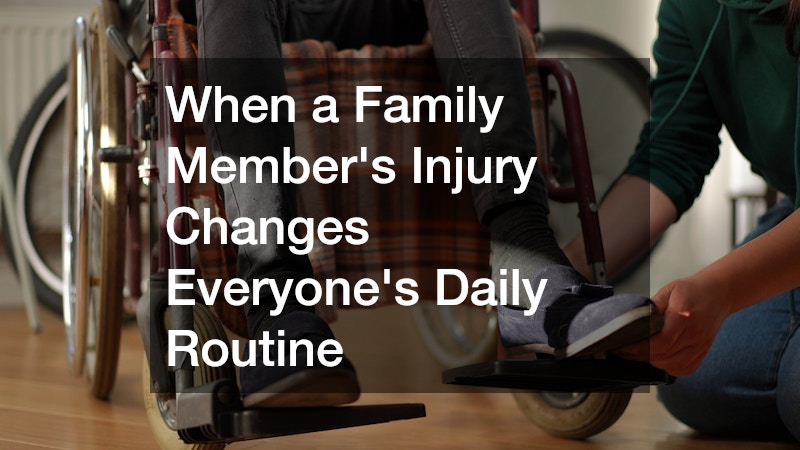

A serious injury to a spouse, parent, or child rarely stays contained to that one person. Meals get delayed, work schedules get rearranged, kids get shuffled between relatives, and simple errands turn into logistical puzzles. Understanding how to reorganize your household in the days and weeks after an injury can reduce stress and help your family adjust faster. This guide walks through the practical, financial, and emotional shifts that come with caring for an injured loved one at home.
Reassigning Household Duties During Recovery
When one family member can no longer cook, clean, drive, or manage finances, those tasks don’t disappear, they just land on someone else’s plate. Sitting down as a household and openly redistributing chores prevents resentment and burnout from building quietly over weeks. It also helps to write the new routine down somewhere visible, like a shared calendar or whiteboard, so nobody assumes someone else already handled something.
Kids and teenagers can often take on more responsibility than parents expect, especially with age-appropriate tasks like laundry, packing lunches, or walking the dog. The goal isn’t to overload any single person but to spread the load thin enough that everyone still has time to rest and process what’s happening.
- Create a simple task chart listing who covers meals, driving, and bill paying each week
- Rotate harder chores so the same person isn’t always stuck with the least enjoyable jobs
- Build in short breaks for the primary caregiver, even if it’s just an hour alone
- Ask neighbors or extended family to take specific recurring tasks, like grocery runs
Managing Medical Appointments and Transportation

Recovery from a significant injury usually means a steady stream of physical therapy sessions, follow-up scans, and specialist visits, and someone has to get the injured person there. Families often underestimate how much time this consumes, especially when appointments are scattered across different clinics or require waiting for accessible transportation. Planning routes and appointment times in advance, and batching them on the same day when possible, can free up entire days for everything else.
It also helps to keep a shared folder, physical or digital, with appointment confirmations, discharge instructions, and medication schedules so any family member driving that day has what they need. This becomes even more important if the injury resulted from something like a car accident, where ongoing documentation may later matter for insurance or legal purposes, and a car accident lawyer can advise on what records are worth keeping organized from the start.
Adjusting Work Schedules and Income Expectations
One of the hardest adjustments is figuring out how much paid work time family members can realistically give up to provide care. Many employers offer some flexibility or unpaid leave protections, but those benefits vary widely and often don’t fully replace lost income. Having an honest conversation early about which bills are essential and which expenses can be paused for a few months takes some of the panic out of the situation.
If the injury happened on the job, the financial picture gets more complicated, since workers compensation claims don’t always cover full wages or every medical cost. Talking to a work injury lawyer early can clarify what benefits the injured family member is actually entitled to, which helps the rest of the household plan a realistic budget instead of guessing.
- List monthly expenses in order of priority so nothing essential gets missed
- Ask employers about short-term disability, FMLA, or flexible scheduling options
- Check whether the injured person qualifies for any temporary income replacement benefits
- Revisit the budget every few weeks as recovery timelines become clearer
Supporting Siblings and Children Through the Disruption

Children in the household often absorb more stress than adults realize, even when they don’t say much about it. Routines like bedtime, homework help, and weekend activities can fall apart quietly, and kids may start acting out or withdrawing as a result. Keeping at least one or two familiar routines intact, even something small like a Friday movie night, gives children a sense of stability during an otherwise chaotic stretch.
It also helps to give kids simple, honest explanations of what’s happening rather than vague reassurances, since uncertainty tends to worry them more than difficult truths. Checking in privately with each child every so often, away from the busyness of caregiving, lets them voice worries they might not bring up in a group setting.
- Keep one predictable routine per child even if everything else shifts
- Give age-appropriate explanations instead of avoiding the topic entirely
- Watch for changes in sleep, appetite, or school performance as stress signals
- Involve older kids in small ways so they feel helpful rather than sidelined
Handling Insurance Paperwork and Legal Questions
After any serious injury, paperwork tends to pile up fast: medical bills from multiple providers, insurance claim forms, correspondence from adjusters requesting statements, and sometimes disability or leave-of-absence forms from an employer. Each of these often comes with its own deadline, and missing even one can delay a claim or require starting the process over. Families juggling caregiving duties often fall behind simply because there aren’t enough hours in the day, which can affect how claims are processed and, ultimately, how quickly bills get paid. A simple filing system helps more than most people expect. A dedicated folder or binder for medical records, a separate one for insurance correspondence, and a running log of phone calls with dates, names, and what was discussed can save hours of frustration later if a claim is questioned or denied. Setting aside a specific person, or a specific hour each week, just to handle paperwork keeps things from slipping through the cracks. That hour is also a good time to review any settlement offers or requests for recorded statements before responding, since adjusters aren’t obligated to act in the family’s favor. When claims get complicated, such as disputes over coverage, a denied claim, or an injury involving a third party, it may be worth a short consultation with a lawyer who handles personal injury or insurance cases. Many offer free initial consultations, and even one conversation can clarify whether the family is leaving money or protections on the table.
When the injury resulted from someone else’s negligence, whether a slip and fall, a defective product, or a car accident, it’s worth taking time early on to understand deadlines and what evidence needs to be preserved. Statutes of limitations vary by state and by type of claim, and missing one can mean losing the right to seek compensation altogether, so it’s worth confirming the applicable timeframe as soon as possible rather than assuming there’s plenty of time. An accident lawyer can help pin down these deadlines quickly, which matters most in the early, chaotic days after an injury. Evidence worth gathering includes photos of the scene or the hazard that caused the injury, the names and contact information of any witnesses, and copies of incident or accident reports filed with a business, employer, or property owner. Medical records, bills, and even a simple daily log of symptoms and missed activities can also help paint a clearer picture of how the injury has affected daily life, which matters if a claim moves toward negotiation or litigation. Keeping a dedicated folder or digital file for these records early on can make it much easier to answer questions later, whether they come from an insurer, an employer, or anyone else involved in sorting out what happened. It’s also worth saving copies of any correspondence with insurance adjusters, since verbal conversations are easy to misremember or dispute later. For anything beyond a straightforward claim, particularly one involving significant medical expenses or disputed fault, a brief consultation with a personal injury attorney can help clarify whether the compensation being offered is reasonable before anything gets signed.
Adjusting to a family member’s injury takes time, patience, and a willingness to keep revisiting the plan as circumstances change. Focus first on stabilizing daily routines and open communication, then work through the financial and legal pieces as they come up rather than all at once. No family gets this perfectly right from day one, and asking for help, whether from relatives, employers, or professionals, is a sign of good planning, not failure.