A sudden fever, an unexplained rash, or a bad fall can send any parent or caregiver’s heart racing, and the hardest part is often figuring out what to do in the next ten minutes. Do you grab the thermometer and wait it out, drive to an urgent care, or call 911? Making the right call quickly can ease anxiety, save money, and in some cases make a real difference in outcome.
This guide breaks down the most common symptoms by severity so you can act with confidence instead of guesswork.
Reading a Fever by the Numbers and the Behavior
Fever itself is rarely dangerous and is usually a sign the body is fighting an infection, but the number on the thermometer only tells part of the story. A toddler with a temperature of 102 who is playful, drinking fluids, and sleeping normally is in a very different situation than one who is listless and refusing water. Age matters enormously here, since the threshold for concern is much lower in infants than in older children or adults.
Watching how a person behaves during the fever, not just the number itself, helps determine the right next step. If the fever responds to medication and the person perks up afterward, that is reassuring, while a fever that keeps climbing despite treatment deserves closer attention.
- Any fever in an infant under 3 months old warrants an immediate call to the doctor
- A fever above 104 in any age group should be evaluated promptly
- Fever lasting more than three days without improvement needs medical review
- Fever paired with a stiff neck, severe headache, or confusion is a red flag
- Mild fevers that respond to rest, fluids, and medication can often be managed at home
Spotting a Rash That Needs Fast Attention
Rashes come in endless varieties, and most are harmless reactions to heat, allergies, or mild viral infections. The ones that deserve quick attention are those that look like small bruises or pinpoint red or purple dots that do not fade when you press on them, since this can signal a serious blood or infection issue. A rash that spreads rapidly across the body within hours is another signal that something more urgent is happening.
Texture and accompanying symptoms matter just as much as appearance. A rash with blistering, peeling skin, or one that appears alongside high fever and difficulty breathing should never be brushed off as something to watch overnight.
- Press a glass against the rash; if it does not fade, seek care right away
- Rash with swelling of the face, lips, or tongue can indicate a severe allergic reaction
- Hives that appear suddenly after a new food or medication need quick evaluation
- A rash that is painful, spreading, or warm to the touch may indicate infection
- Mild, itchy rashes without fever usually allow time to try home remedies first
Falls and Head Injuries in Children and Older Adults
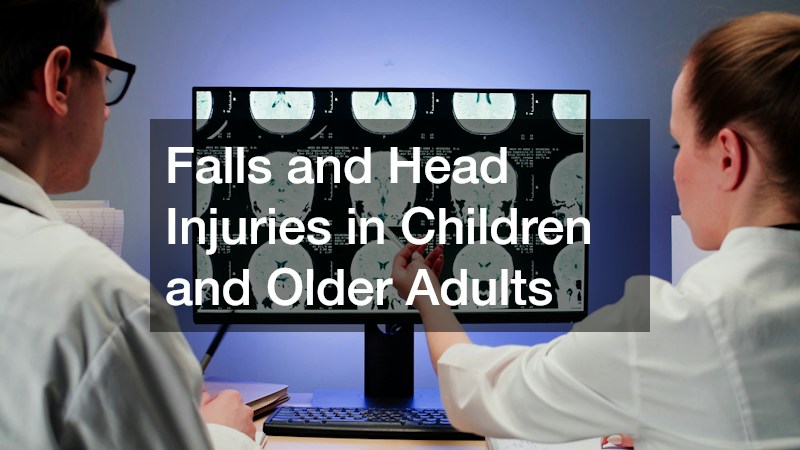
Not every fall requires a trip to the emergency room, but certain signs should never be ignored. A child who cries immediately, calms down, and continues playing normally after a tumble is usually fine with some observation at home. Falls involving a hard surface, a significant height, or any loss of consciousness, however, change the calculation considerably.
Older adults face different risks, since even a minor fall can cause a hip fracture or internal injury that is not immediately obvious. Blood thinners also raise the stakes, because they increase the risk of dangerous internal bleeding after even a seemingly minor bump to the head.
- Loss of consciousness, even briefly, after a fall requires emergency evaluation
- Vomiting, severe headache, or confusion following a head injury are warning signs
- Inability to bear weight or obvious deformity suggests a possible fracture
- Falls in someone taking blood-thinning medication should be checked promptly
- A fall with no symptoms beyond minor soreness can often be monitored at home
When a Same Day Clinic Visit Makes More Sense Than the ER
Emergency rooms are built for life-threatening situations, but many common injuries and illnesses fall into a middle ground that does not require that level of care or cost. This is where a pediatric urgent care center becomes a genuinely useful option, since these clinics are staffed to handle sprains, minor cuts needing stitches, ear infections, and fevers in children without the long wait times typical of a hospital emergency department. Choosing this route for a child with a moderate fever and no other alarming symptoms can mean shorter wait times and a lower bill, while still getting a trained medical opinion quickly.
Knowing which situations fit this middle ground takes some of the guesswork out of a stressful moment. A sprained ankle from a playground fall, a rash without breathing trouble, or a fever that has lasted two days without improvement are all reasonable reasons to seek same-day care rather than heading straight to the ER.
- Minor cuts that may need stitches but show no uncontrolled bleeding
- Fevers in children older than three months without severe symptoms
- Sprains, strains, and suspected minor fractures in a limb
- Rashes without breathing difficulty or facial swelling
- Vomiting or diarrhea with mild dehydration symptoms
Warning Signs That Always Call for Emergency Care
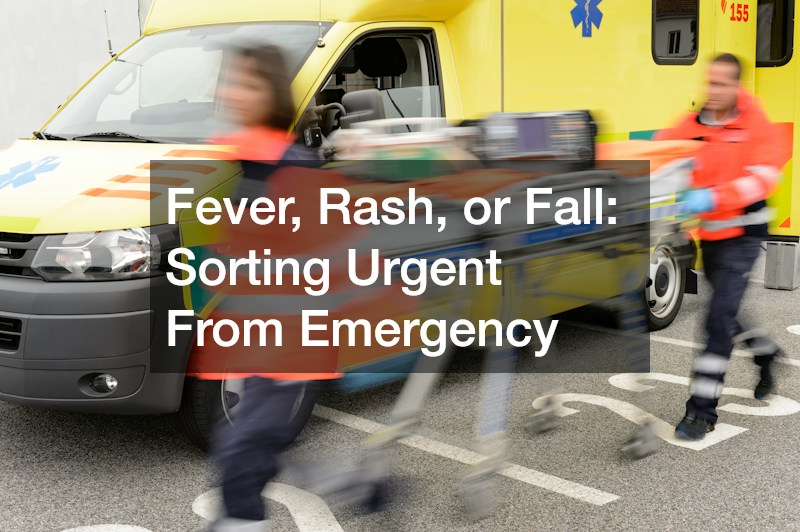
Some symptoms should never wait for a callback from the doctor’s office or a same-day appointment. Difficulty breathing, a bluish tint to lips or skin, a seizure, or sudden weakness on one side of the body are all signs that point toward the emergency room without delay. Severe abdominal pain, uncontrolled bleeding, and chest pain also belong firmly in this category regardless of age.
Trusting your instincts matters here as much as any checklist. If something feels seriously wrong and the person is getting worse rather than better, it is always safer to seek emergency evaluation and be told it was not serious than to wait at home with a dangerous condition.
- Trouble breathing or persistent gasping for air
- Blue or gray color around the lips, face, or fingertips
- A seizure, especially a first one or one lasting more than five minutes
- Sudden confusion, slurred speech, or weakness on one side of the body
- Severe, unrelenting pain anywhere in the body
Sorting a fever, rash, or fall into the right category takes practice, but learning the warning signs ahead of time means you will not be scrambling to make decisions during a stressful moment. Keep a simple mental checklist of red flags for breathing, consciousness, and pain, and trust that instinct telling you something is seriously wrong. For everything that falls in between a minor worry and a true emergency, a same-day clinic visit can offer fast, appropriate care without the wait or expense of a hospital visit. Being prepared now means you will know exactly what to do the next time a symptom catches you off guard.