Farm stay vacations have surged in popularity as travelers seek something more grounded than resorts or rental homes. The pitch is romantic: fresh air, open land, animals, and a slower pace. But the reality of staying on a functioning agricultural operation is genuinely different from what most guests expect. Some surprises are delightful. Others can derail a trip if travelers aren’t prepared. Understanding what actually happens when you book a working farm stay — not a themed agritourism resort, but a real operational farm — shapes whether the experience becomes a highlight or a cautionary story.
The Difference Between “Farm Stay” and “Farm-Themed”
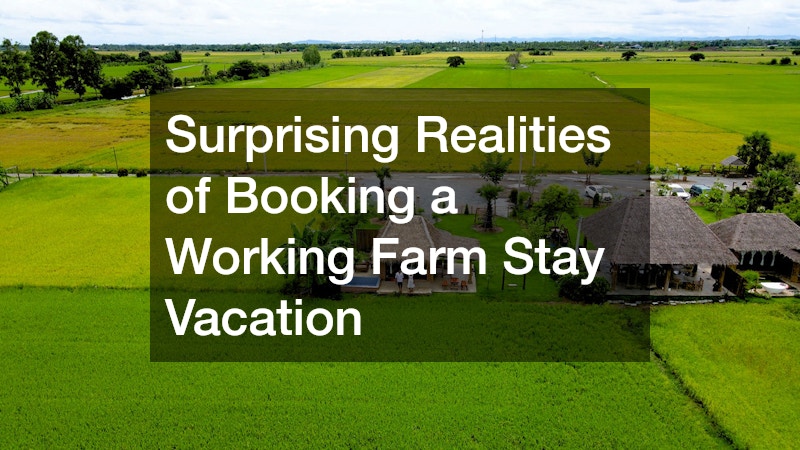
This distinction matters more than most booking platforms make clear. A working farm stay means the farm’s primary business is agriculture — livestock, crops, dairy, or a combination — and guests are sharing that environment. A farm-themed property, by contrast, is designed for tourism first. It may have decorative animals, a rustic barn aesthetic, and a curated farm-to-table breakfast, but it operates on hospitality logic: guests come first.
On a true working farm, the operation does not pause for vacationers. Morning chores begin between 5:00 and 6:00 a.m. regardless of whether guests slept well. Equipment runs. Animals make noise. Tractors move through areas guests might expect to wander freely.
Before booking, ask the host directly: what percentage of the farm’s income comes from agriculture versus hospitality? If the answer is mostly tourism, expect a more polished but less authentic experience. If it’s mostly farming, expect the real thing — noise, smell, unpredictable schedules, and genuine character.
Three questions worth confirming before paying a deposit:
- Ask whether guests can participate in daily tasks or are expected to observe only, since some farms restrict access to working areas for liability reasons.
- Confirm which areas are off-limits, particularly near machinery or livestock pens, before arriving with children under 12.
- Request the farm’s typical daily schedule so you can assess whether a 5:30 a.m. tractor start conflicts with your group’s expectations.
What Farm Infrastructure Actually Means for Guests
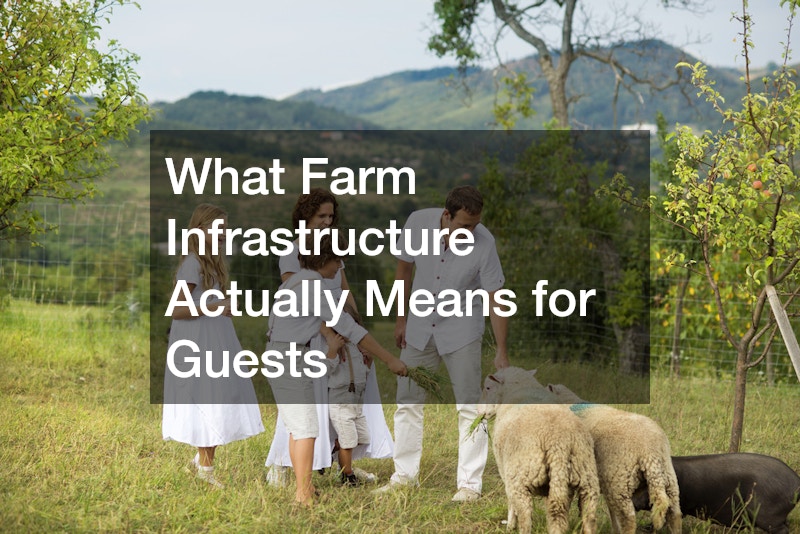
Staying on a working farm means accepting infrastructure built for function, not comfort. Water pressure may fluctuate when irrigation systems run. Connectivity is often poor — many productive agricultural properties sit on rural parcels specifically because land costs less far from urban centers. Wi-Fi, if available, may be routed through equipment that prioritizes barn sensors or automated feeding systems over guest devices.
Accommodation quality varies dramatically. Some farms offer renovated guest cottages with modern fixtures. Others offer converted outbuildings where the renovation was functional rather than aesthetic. One family booking a three-night stay based on listing photos may arrive to find a charming space with no air conditioning — fine in May, less fine in August.
The more honest farms disclose these conditions upfront. When they don’t, guests often encounter frustrations that have nothing to do with the farm’s hospitality intent.
Farm equipment also breaks down, and breakdowns affect the entire operation. When a tractor or irrigation pump fails, the farmer’s attention goes to agricultural repair immediately — not to planning that afternoon’s guest activity. Guests who understand this reality tend to adapt graciously. Those who expect resort-level responsiveness do not.
What to confirm before arrival:
- Verify that the listed sleeping space has functional heating and cooling appropriate for the travel month, not just the season the listing photos depict.
- Ask whether guest accommodations share a water or power system with farm operations, which can explain pressure and outage patterns.
- Check whether the property has cellular signal for at least one major carrier, since rural dead zones can span several miles.
Hidden Costs and Booking Structures on Working Farms
Farm stays often price differently from standard vacation rentals. Because farming families are managing hospitality as a secondary revenue stream, booking terms tend to be less flexible — minimum stays of three to five nights are common, and cancellation windows may be stricter than those on mainstream platforms.
Activity add-ons are another place where costs accumulate. Cheese-making sessions, guided trail rides, harvest participation, or farm dinners may be listed separately from lodging, sometimes at $40 to $120 per person per activity. A family of four can add $400 to $600 in experience costs on top of nightly rates that already run $150 to $300 for a private cottage.
Comparing a working farm stay to a rural vacation rental of similar size reveals some useful trade-offs. The farm stay typically costs more per night and imposes more restrictions, but delivers an environment and access that a private rental simply cannot replicate. A rented farmhouse adjacent to agricultural land is not the same as sleeping within a functioning operation, interacting with livestock, or watching a harvest in progress. The question is whether that experiential premium is worth the trade-offs in flexibility and predictability.
Budget considerations worth tracking:
- Request a full itemized breakdown of any activity or experience fees before booking, since per-person costs on a five-person trip can exceed the nightly accommodation rate.
- Check whether pet fees apply and whether working dogs on the property pose any conflict with guests who bring animals.
- Factor in the cost of traveling with food if the nearest grocery store is more than 25 miles away, which is common on remote agricultural properties.
Children, Allergies, and the Realities of Animal Contact
Working farms are genuinely educational environments for children, but they are not inherently safe ones without adult management. Animals behave unpredictably. A friendly dairy cow that tolerates experienced handlers may react differently to a curious six-year-old. Most reputable farm stays have clear rules about supervised versus unsupervised animal access, but enforcement varies.
Allergy exposure is a more underestimated risk. Hay, animal dander, mold in old barn structures, and specific crops can trigger reactions in guests who have no history of problems in urban or suburban settings. Some guests discover sensitivities for the first time on a farm stay. Pollen counts in agricultural areas often run significantly higher than what allergy sufferers experience at home.
The experience for children also differs considerably between age groups. Children between 8 and 13 tend to engage most actively — old enough to handle light tasks, young enough to find the novelty compelling. Teenagers may be enthusiastic or indifferent depending on the specific activities available. Toddlers require the most supervision and face the most restrictions.
Choosing between a fully guided farm stay versus a self-guided one with minimal host involvement matters here. Guided experiences cost more but include structured introductions to animals, safety briefings, and scheduled activities. Self-guided stays require parents to manage boundaries independently.
Before arriving with children:
- Bring any prescription allergy medications and an antihistamine backup even if the child has no known agricultural allergies.
- Confirm the minimum age requirements for each animal interaction activity, since many farms restrict direct contact with livestock to guests 6 and older.
- Ask whether the host is on-site during the stay or whether the property operates remotely, since access to guidance matters when questions arise with children present.
Deciding Whether a Working Farm Stay Is the Right Choice
A working farm stay rewards guests who approach it as an immersive experience rather than a rural hotel alternative. The people who leave most satisfied tend to be flexible about daily schedules, genuinely curious about agricultural processes, and willing to trade predictability for authenticity.
The guests who leave frustrated usually expected the rustic aesthetic without the operational realities. Research beyond listing photos — read host reviews carefully for mentions of noise, schedule conflicts, and infrastructure limitations. Contact the host directly before booking, since how they respond tells you as much as what they say. A farm family that answers specific questions thoroughly is also likely to manage your stay with the same care.